
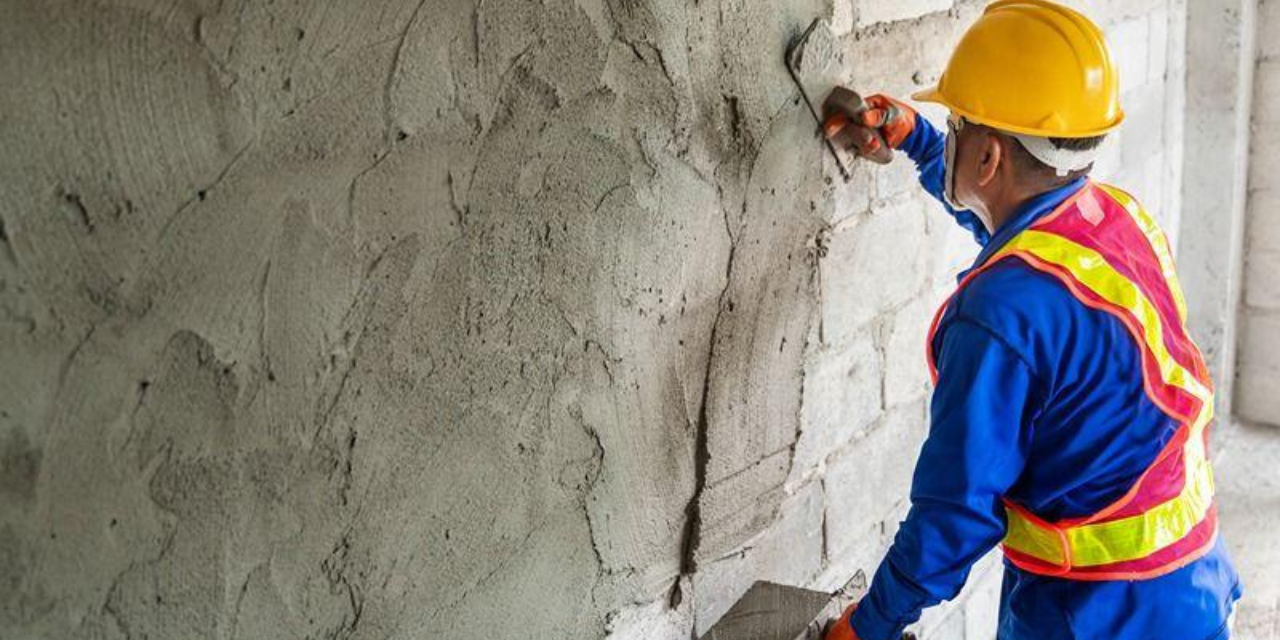
Planning the right P-Sand quantity for plastering is important when building or renovating a home.When you are building or renovating a home, plastering may look like a small part of the project, but it can involve a considerable amount of material. One of the most common questions homeowners and builders ask is, how much sand is needed for plastering?
Getting the estimate right helps you avoid two common problems: ordering too much material and dealing with unnecessary wastage, or ordering too little and facing delays during the work.
At Metsand, we understand that homeowners and contractors want to plan their construction materials carefully. So, in this guide, we explain how to estimate the P-Sand quantity for plastering, what affects the requirement, and how you can make a practical material estimate.
What Is P-Sand Used for in Plastering?
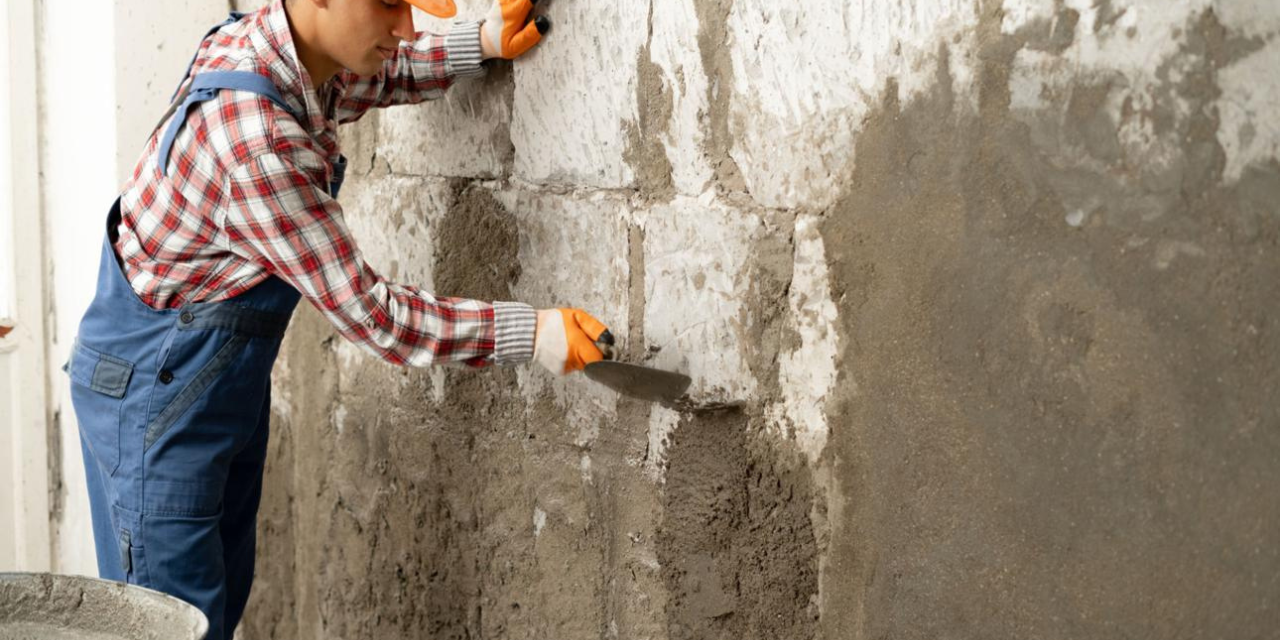
P-Sand, or plastering sand, is a fine sand generally used to prepare plaster mortar for walls and ceilings. Therefore, it helps create a smooth and workable mixture when combined with cement and water.
Depending on the project specification, plastering sand can be used for:
- Internal wall plastering
- External wall plastering
- Ceiling plastering
- Finishing applications
- Other work where fine sand is specified
However, the quantity you need depends on the actual area and thickness of the plaster rather than simply the size of your house.
What Determines the P-Sand Requirement?
Before calculating the P-Sand quantity for plastering, you need to understand the factors that affect consumption.
1. Plastering Area
The larger the total wall and ceiling area, the more sand you will need.
A 1,500 sq. ft. house does not necessarily have the same plastering area as another 1,500 sq. ft. house because the layout, number of rooms, and wall lengths can vary.
2. Plaster Thickness
Thickness has a direct impact on material consumption.
For example, a 12 mm plaster layer requires less mortar than a 20 mm layer over the same surface area.
Therefore, always check the thickness specified by your engineer or contractor before purchasing materials.
3. Cement-Sand Ratio
The cement-to-sand ratio used for plastering also affects the amount of sand required.
The correct ratio depends on the application and project specification. Instead of using one ratio for every project, follow the mix specified by your construction professional.
4. Surface Condition
A smooth and even wall generally needs less mortar than a highly uneven surface.
If the masonry has significant variations, additional mortar may be required to achieve an even finish.
5. Doors and Windows
You should also account for openings when calculating the actual plastering area.
For example, if a wall has several large windows and doors, the net area requiring plaster will be lower.
6. Wastage
Some material can be lost during transportation, mixing and application. Your contractor can recommend a reasonable allowance based on the site conditions.
How to Calculate the Sand Required for Plastering
Let’s look at a simple example.
Suppose your total plastering area is
2,000 sq. ft.
Assume the plaster thickness is
12 mm
First, convert the thickness into feet
12 ÷ 304.8 = 0.0394 ft
Now calculate the wet mortar volume
2,000 × 0.0394 = 78.8 cubic feet
This gives the approximate wet mortar volume.
However, you cannot consider 78.8 cubic feet as the final sand requirement. You also need to account for the dry volume of the materials and the cement-sand mix ratio.
This is why an accurate plastering sand requirement should be calculated based on the complete specification rather than using a simple house-size estimate.
Approximate Sand Requirement for Different House Sizes
Homeowners often search for a quick estimate based on house size. While built-up area alone cannot provide an exact quantity, the following figures can help with preliminary budgeting.
House Size | Approximate P-Sand for Plastering |
1,000 sq. ft. | 80–120 cu. ft. |
1,500 sq. ft. | 120–180 cu. ft. |
2,000 sq. ft. | 160–240 cu. ft. |
2,500 sq. ft. | 200–300 cu. ft. |
3,000 sq. ft. | 240–360 cu. ft. |
Note: These are broad planning estimates, not fixed quantities. Actual consumption can vary depending on plastering area, thickness, mix ratio, wall condition, openings and wastage.
For a construction purchase, always verify the quantity with your contractor, engineer, or quantity surveyor.
Why You Should Not Calculate Only by Square Feet
It is tempting to say:
“My house is 2,000 sq. ft., so I need a fixed amount of P-Sand.”
However, this approach can give you an inaccurate estimate.
Consider two homes with the same built-up area. One may have:
- More internal partitions
- Higher ceilings
- Larger rooms
- More external walls
- Fewer openings
The other may have a completely different layout.
As a result, their total plastering area—and therefore their sand consumption—can be different.
So, use the built-up area only for a preliminary estimate. For actual purchasing, calculate the surface area and follow the project specifications.
How to Reduce Unnecessary Material Wastage
Good planning can make a noticeable difference in construction costs.
Measure Before You Order
Calculate the actual plastering area instead of guessing the quantity.
Follow the Specified Thickness
Avoid unnecessarily thick plaster. Use the thickness recommended for the project.
Store Sand Properly
Keep the material in a suitable location where it will not be washed away by rain or mixed with unwanted materials.
Plan Deliveries
Order materials according to your construction schedule. This reduces unnecessary storage and handling.
Buy From a Reliable Supplier
Consistent-quality construction sand can make material planning and site work easier.
P-Sand Quantity for Internal and External Plastering
Internal and external plastering may have different requirements depending on the building design and specifications.
Internal walls may require a particular thickness and finish, while external walls may have different surface conditions and finishing requirements.
Therefore, instead of treating the entire building as one area, calculate:
Internal plastering area + External plastering area + Ceiling plastering area
Then apply the relevant specifications to each section.
This gives you a more realistic P-Sand quantity for the plastering estimate.
Should You Buy P-Sand Based on an Online Calculator?
Online calculators can be useful for getting a rough idea, especially during the early planning stage.
However, they should not replace a project-specific material estimate.
The final requirement depends on factors such as
- Actual measurements
- Plaster thickness
- Mix ratio
- Wall condition
- Openings
- Workmanship
- Site wastage
For a major construction purchase, it is always better to confirm the calculation with a qualified construction professional.
Choose Quality P-Sand for Your Construction Project
A good material estimate is only one part of successful construction. You also need suitable-quality materials and a dependable supply.
Whether you are constructing a new home, renovating a property or managing a larger project, selecting the right sand for the intended application can help your work progress smoothly.
At Metsand, we focus on providing quality construction sand to meet the requirements of builders, contractors, and homeowners.
Conclusion
Calculating the right P-Sand quantity for plastering starts with understanding the actual plastering area, thickness, and mix requirements. House size can give you a rough starting point, but it should not be the only factor you use when planning your purchase.
Measure carefully, account for openings and site conditions, follow the recommended mix specification, and keep a reasonable allowance for wastage.
With proper planning and the right material supplier, you can manage your construction requirements more efficiently and avoid unnecessary material expenses.
Metsand—Quality Sand for Better Construction. contact us